Home Window Tinting: Expert Guide for Comfort
Home window tinting guide covering benefits, types, costs, and choosing pros for safety and comfort.
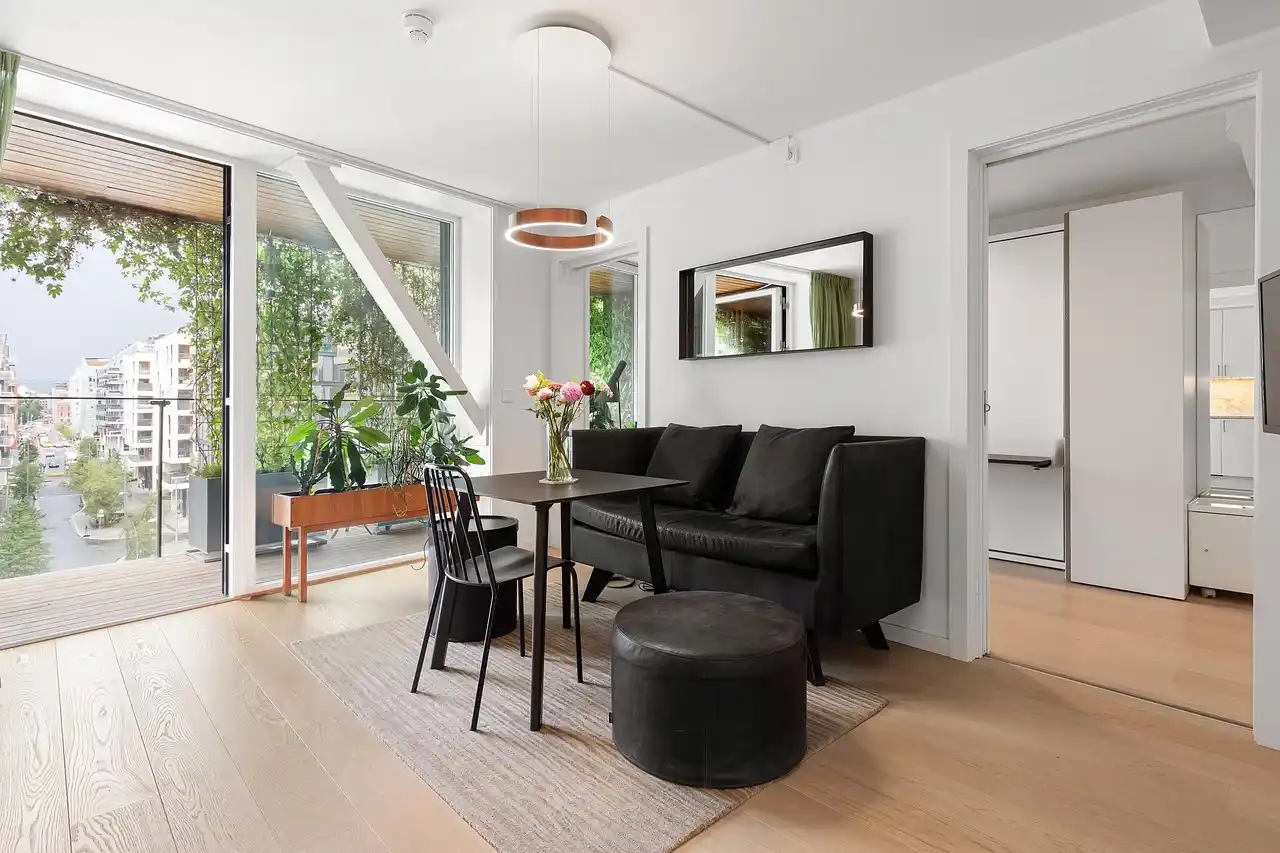
Home window tinting is a practical upgrade that improves comfort, protects interiors, and lowers energy bills. This guide is crafted to help homeowners understand what tinting involves, the best options for residential windows, and how to choose a trusted installer. Drawing on industry standards and expert insights, we cover performance, durability, and maintenance to align with EEAT principles: experience, expertise, authority, and trust.
What is home window tinting?
Residential window tinting uses a thin film applied to glass to control heat gain, glare, and UV exposure. Modern films are designed to be almost invisible while offering substantial benefits. When installed correctly, tinting can reduce heat transfer, protect furnishings from fading, and create a more comfortable living space without sacrificing natural light.
Benefits of home window tinting
Tinting delivers several tangible advantages. First, it improves energy efficiency by cutting solar heat gain, which lowers cooling costs in hot seasons. Second, UV protection helps slow fading of rugs, wood, and fabrics, extending the life of interior decor. Third, glare reduction enhances TV viewing and computer use while maintaining outward visibility. Finally, film can boost privacy during the day and, depending on the shade, maintain a brighter interior with even lighting throughout the home.
Types of window tint for homes
Residential films come in several formulations, each with trade-offs in heat rejection, glare control, and durability. The most common options are:
- Ceramic films: Non-conductive, high heat rejection, excellent clarity, and strong UV protection. Ideal for living rooms and kitchens where color accuracy matters.
- Dyed films: Budget-friendly and effective at reducing glare, but can shorten life and may require replacement over time.
- Metalized/metallized films: Good heat rejection and glare control but can interfere with signals (some are engineered to minimize this risk).
- Carbon films: Matte finish with stable color, good heat rejection, and minimal reflectivity; popular for a natural look.
When choosing a film, consider the factors below: light transmission (VLT), shade level, visible reflectance, UV rejection percentage, and warranty terms. A professional installer will balance aesthetics with performance to meet your climate and lifestyle needs.
How to choose the right tint for your home
Selecting the right tint involves a blend of personal preference, local regulations, and practical goals. Start by assessing each room's sun exposure and function. For south-facing spaces with strong heat gain, a film with higher heat rejection and lower VLT works well. For rooms where maximum natural light is desired, choose lighter films with excellent UV protection and glare control. Always verify that the tint complies with local laws regarding front-facing windows and privacy standards. A reputable installer can provide NFRC-rated performance data and a detailed quote that includes warranty terms.
Privacy, light, and view considerations
Light transmission and reflectivity determine privacy. If you want daytime privacy without a noticeable dark appearance, a light to medium tint paired with a non-reflective finish is a solid choice. For bedrooms or home offices, you might opt for a slightly darker shade, keeping in mind that nighttime privacy may require coverings if the film reduces visibility from the outside at certain angles.
Professional vs DIY installation
DIY tinting is possible on single-pane windows or small projects, but residential films install best with professional tools and training. A pro ensures precise cutting, free of air pockets, and proper edge sealing. They also confirm film compatibility with window coatings (like low-emissivity surfaces) and provide a warranty that covers peeling, bubbling, and UV performance. Professional installation reduces the risk of leaks, frame damage, and voided warranties from window manufacturers.
Maintenance, care, and longevity
Most films are low maintenance: clean with mild soap and a soft cloth or a non-abrasive squeegee. Avoid ammonia-based cleaners that can degrade coatings. Over time, faded or scratched films may require replacement, but high-quality ceramics and carbon films typically last 15 years or longer with proper care. Regular inspections after severe weather help catch issues early and preserve performance.
Cost, ROI, and warranties
Costs vary by film type, number of panes, home size, and labor rates. Typical residential tinting ranges from a few hundred to several thousand dollars. While the upfront expense is a consideration, the energy savings, interior protection, and extended furniture life offer meaningful return over time. Look for warranties that cover fading, bubbling, and adhesive failure for 10 to 15 years, and confirm whether the warranty transfers to future homeowners.
Comparison table: common residential tint types
| Tint Type | Heat Rejection | Privacy | UV Protection | Durability | Best For |
|---|---|---|---|---|---|
| Ceramic | High | Moderate-High | Excellent | Excellent | Living areas with high sun |
| Carbon | High | Medium | Excellent | Excellent | Balanced look and performance |
| Dyed | Moderate | Medium | Good | Moderate (may fade) | Budget-friendly privacy |
| Metalized | High | High | Good | Very durable | High glare control |
Best practices for selecting a contractor
Choose a licensed, insured installer with a track record of residential projects. Ask for before-and-after photos, references, and permission to visit current installations. Request a written estimate that breaks down material costs, labor, warranty terms, and a timeline. Check reviews for consistency in customer service, installation quality, and post-service support.
Conclusion and next steps
Home window tinting offers a reliable path to a cooler, more comfortable home with better UV protection and furniture longevity. By understanding tint options, regulatory considerations, and the value of professional installation, you can make an informed decision that aligns with your climate, lifestyle, and budget. Engage with a qualified installer who can provide performance data, transparent pricing, and a solid warranty to ensure lasting results.
Summary, a well-chosen residential tint improves energy efficiency, reduces glare, and protects interiors, with ceramic and carbon films delivering ideal performance for most homes. Prioritize professional installation, verify warranties, and follow maintenance guidelines to maximize longevity and ROI.